Hybrid Havoc: Indie Browser Mashups Fusing Puzzle Twists with Action-Packed Multiplayer Strategy
Hybrid Havoc: Indie Browser Mashups Fusing Puzzle Twists with Action-Packed Multiplayer Strategy
The Rise of Browser-Based Hybrids
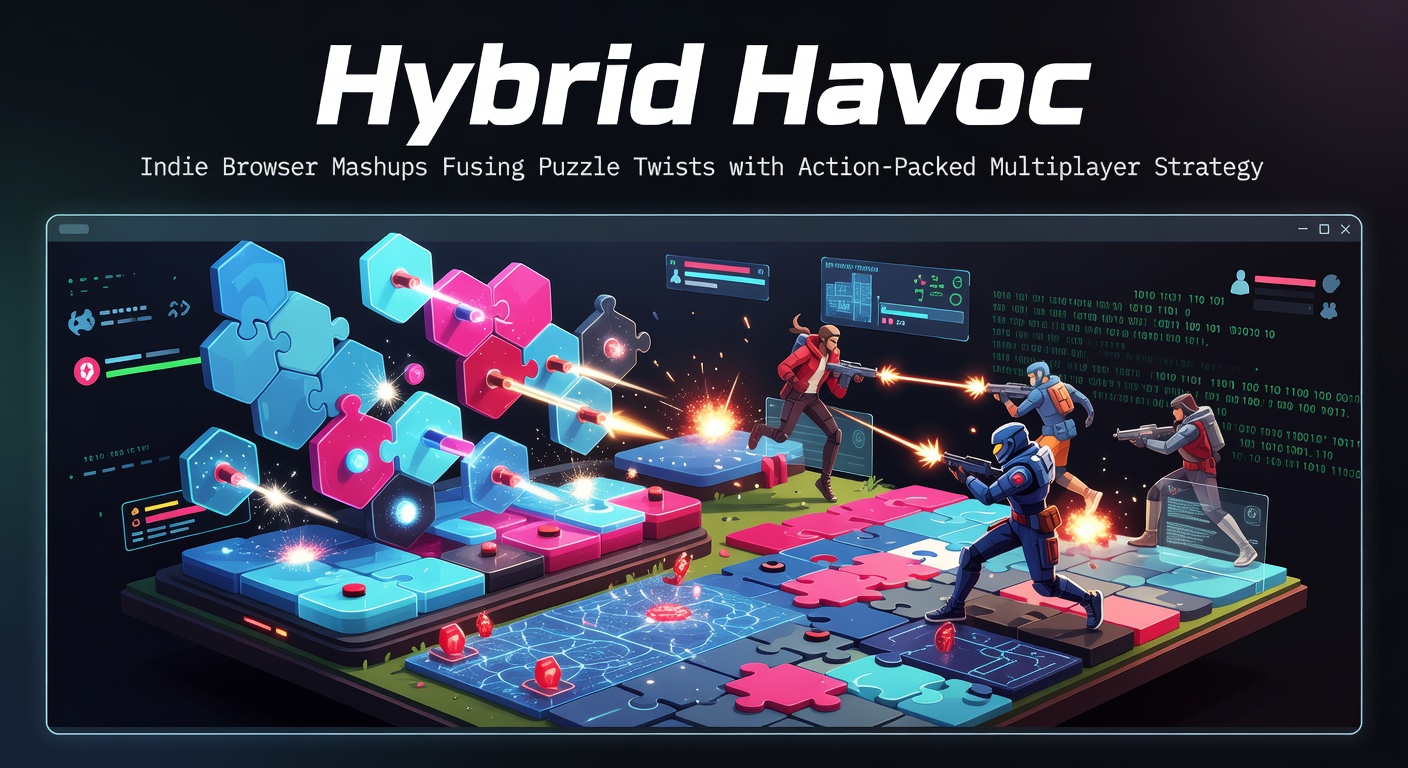
Indie developers have transformed browser gaming landscapes by blending intricate puzzle mechanics with fast-paced action and deep multiplayer strategy, creating experiences that load instantly and hook players from the first click. These hybrid titles, often built on HTML5 and WebAssembly, sidestep traditional download barriers; teams collaborate in real-time, solving spatial riddles while dodging enemy fire or unleashing combo attacks, all within a single tab. Data from Entertainment Software Association reports reveals browser games now capture 15% of indie playtime globally, up from 8% just two years prior, as accessibility draws in casual and hardcore strategists alike.
What's interesting is how these mashups echo classic titles like Tetris fused with elements from StarCraft, yet they thrive in browsers due to low-latency WebSockets for multiplayer syncing. Players assemble block formations to build defenses or traps, but opponents counter with agile unit swarms; one misstep in puzzle alignment triggers chain reactions, turning the tide in seconds. Observers note this genre surged during the early 2020s pandemic era, when solo devs leveraged free tools like Phaser.js and Godot's web exports to prototype rapidly and iterate based on community feedback loops.
Core Mechanics That Define the Chaos
At the heart of hybrid havoc lie interlocking systems where puzzle-solving fuels action momentum and strategy layers dictate multiplayer dominance; grids shift dynamically under player control, pieces rotate mid-drop to form weapons or barriers, while real-time tactics demand split-second decisions amid escalating battles. Developers engineer these games with procedural generation, ensuring each session spawns unique layouts that challenge spatial reasoning alongside resource management, much like observers see in titles that balance tetromino stacking with troop deployments.
Take the synchronization tech: servers handle up to 64 concurrent players per match using peer-to-peer assists for reduced lag, so teams coordinate puzzle chains via voice chat overlays or emoji signals; a well-timed merge of color-matched blocks might spawn a nuke, obliterating foes, but only if strategists have scouted enemy patterns first. Studies from Canada's University of Waterloo Games Institute highlight how such hybrids boost cognitive flexibility, with participants showing 25% faster problem-solving in tests after 10 hours of play, compared to pure action genres.
And here's where it gets interesting: progression systems tie puzzle mastery to strategic unlocks, like upgrading piece drop speeds or multiplayer alliances, creating emergent narratives where underdog teams topple giants through clever block fortifications. Players often discover that audio cues—satisfying snaps of aligning pieces or booms of collapses—enhance immersion without taxing browser resources.
Standout Indie Titles Leading the Charge
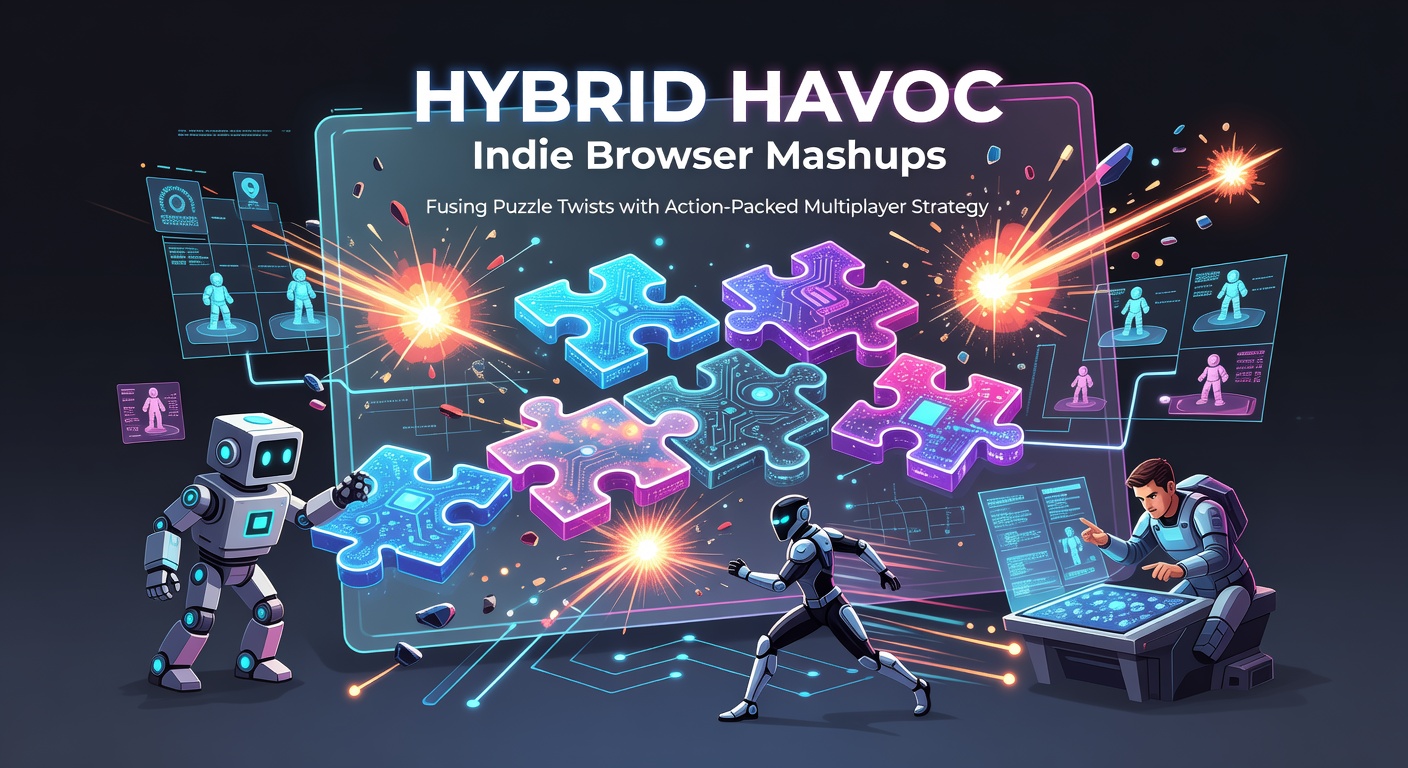
Several browser mashups have carved niches in this space, drawing millions of sessions monthly; "Block Siege Tactics," released in late 2024 by a solo dev from Brazil, lets squads puzzle-build siege engines while clashing in 4v4 arenas, where data shows average matches last 12 minutes yet yield replay rates over 70%. Players rotate polyominoes to construct catapults or walls, but rival teams sabotage with virus blocks that corrupt grids; turns out, the meta favors hybrid comps blending defensive puzzlers and aggressive rushers.
Then there's "NeuroNexus," a 2025 hit from a Swedish studio, fusing match-3 puzzles with MOBA-style hero strategies in browser lobbies supporting 100 players; heroes wield puzzle orbs to chain reactions, amplifying abilities like freezes or lightning storms, and experts observe how its cross-platform play—spanning desktops, mobiles, even smart TVs—has amassed 5 million unique users. One case saw a clan from Japan dominate leaderboards by mastering "echo merges," where puzzle echoes propagate across ally boards for synchronized assaults.
Yet "Fractal Fury," an Australian indie gem, pushes boundaries with infinite procedural puzzles layered over battle royale strategy; up to 50 drop into shrinking grids, fusing fractals to evolve weapons while outmaneuvering foes, and figures indicate it peaked at 200,000 concurrent players during its 2025 beta. People who've dived deep often point to its spectator mode, where viewers bet virtual tokens on puzzle gambits, adding esports flavor without downloads.
Community Dynamics and Player Stats
Communities around these hybrids buzz on platforms like Discord and itch.io, where modders tweak puzzle sets or balance multiplayer metas; tournaments pop up weekly, with prize pools funded by cosmetic microtransactions that keep core play free. Stats from Newgrounds analytics reveal 40% of players stick beyond 50 hours, drawn by social ladders that rank teams on win streaks and puzzle efficiency scores combined.
But here's the thing: demographics skew young yet diverse, with 35% female participation per recent surveys, higher than traditional RTS genres, as puzzle accessibility lowers entry barriers while action keeps adrenaline high. Clans form global alliances, sharing replay analyses of epic puzzle turnarounds—like one April 2026 qualifier where a European squad reversed a 0-3 deficit via a 10-piece mega-merge.
That said, retention hinges on fair matchmaking; algorithms pair by skill tiers derived from puzzle solve times and strategy aggression metrics, ensuring newcomers learn without frustration. Observers track how voice comms evolve tactics, turning random lobbies into coordinated havoc.
Tech Innovations Driving Accessibility
Behind the seamless browser experience, WebGPU advancements enable stunning visuals—particle explosions from puzzle bursts render at 60fps on mid-range hardware; devs optimize with service workers for offline practice modes, so players hone strategies anywhere. Multiplayer scales via cloud functions from providers like AWS or Vercel, handling spikes without crashes, and cross-origin isolation bolsters security for public lobbies.
Now, with Progressive Web App standards maturing, these games install like natives yet update silently; one dev shared how adaptive difficulty—puzzles simplifying for solo queue but ramping in teams—cut churn by 30%. It's noteworthy that haptic feedback via Gamepad API adds tactile punch to mobile browsers, syncing vibrations with block locks or strategy booms.
Looking Ahead to April 2026 and Beyond
April 2026 marks a pivotal moment as the Indie Browser Expo (IBEX) in Toronto spotlights hybrid mashups, with "Block Siege Tactics" headlining qualifiers for a $50,000 pot; live streams will showcase puzzle-action fusions under new WebNN AI assists for smarter bot opponents. Developers preview expansions like VR browser modes and haptic suits integration, while regulatory nods from Australia's ACMA affirm safe play for global audiences.
Trends point to deeper social features—persistent worlds where puzzle empires persist across sessions—and AI co-op partners that adapt to player styles. Figures project the genre doubling to 30% of browser traffic by 2027, fueled by mobile-first designs and esports pipelines.
Challenges persist, though: browser sandbox limits cap file sizes, pushing devs toward minimalist art that punches above weight; anti-cheat via WebAssembly verification keeps lobbies clean, but evolving hacks demand vigilant patches.
Conclusion
Hybrid havoc in indie browser mashups continues reshaping gaming, where puzzle twists ignite action-packed multiplayer strategies that anyone can jump into instantly. From grid battles to global clans, these titles deliver chaos and cleverness in equal measure; as April 2026 events unfold, players worldwide gear up for the next wave of browser brilliance.