Indie Experiments Turning Simple Web Interfaces Into Dynamic Arenas for Mixing Adventure Quests With Strategy and Racing Challenges
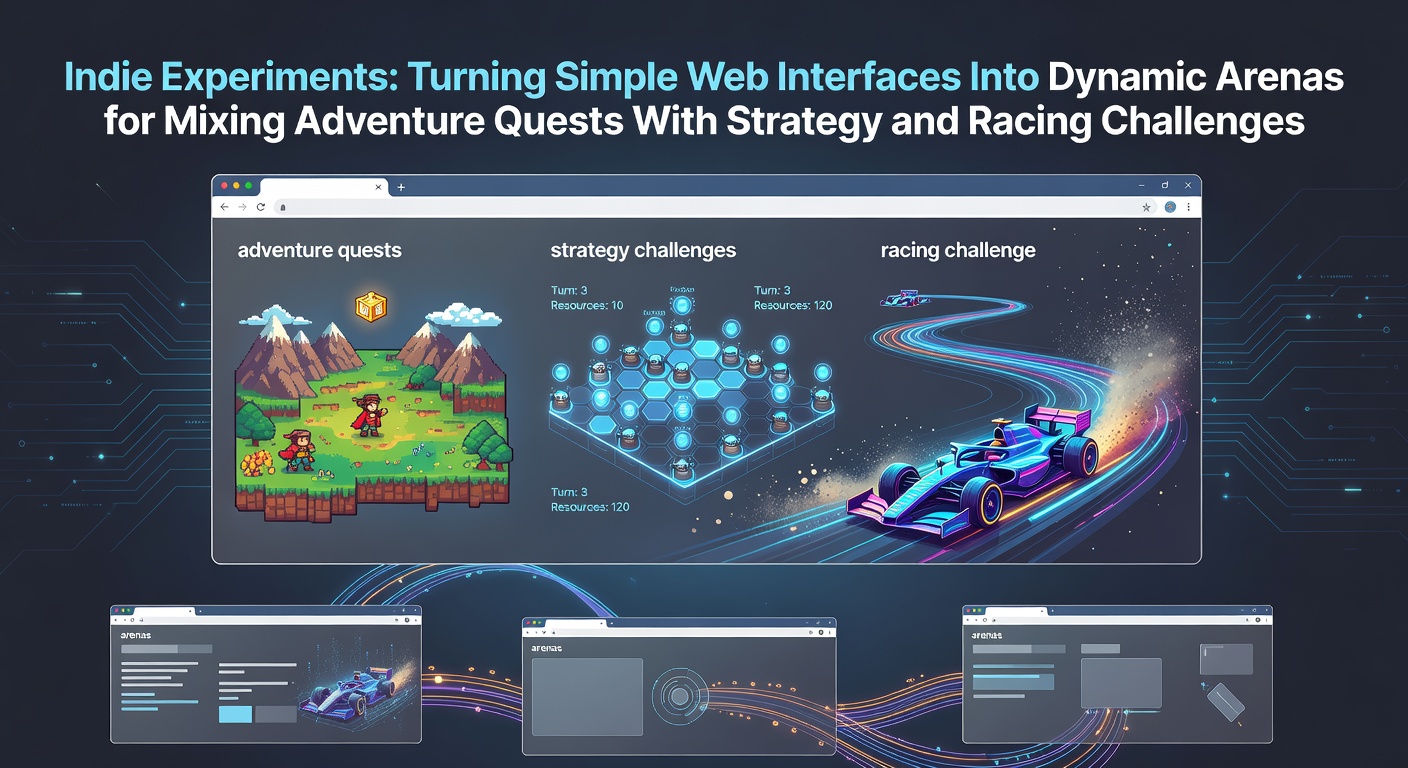
Indie developers have expanded browser capabilities in recent years to transform ordinary web pages into layered environments where players pursue narrative-driven adventure quests alongside strategic resource allocation and competitive racing segments, and this shift gained momentum as HTML5 and WebAssembly matured into reliable tools for real-time interactions across devices.
Platform Foundations Enabling Hybrid Play
Simple interfaces such as custom new-tab extensions or lightweight dashboard pages now serve as entry points, and researchers at institutions like the University of Waterloo have documented how these minimal starting points leverage JavaScript event loops and canvas rendering to layer quest maps, decision trees, and track layouts without requiring separate application downloads. Data from industry reports indicate that browser-based titles accounted for a growing share of experimental multiplayer sessions by early 2026, because cross-origin resource sharing and WebSocket connections allow persistent worlds to update live while users remain in familiar navigation contexts.
Core Mechanics That Merge Quests, Strategy, and Racing
Adventure elements typically unfold through point-and-click exploration within scrollable panels or tabbed sections, where players uncover story fragments and collect items that influence later phases, while strategy layers require allocating limited action points across multiple objectives before a countdown timer activates racing sequences on procedurally generated paths. Observers note that successful titles synchronize these phases so that quest rewards directly affect vehicle performance or route options, creating feedback loops that reward foresight during planning stages and quick reflexes during timed segments, and studies published through the Interactive Digital Media Research Group in Canada confirm measurable engagement spikes when such interconnections appear in prototype builds.
Developers often embed racing challenges as periodic events triggered by quest milestones, yet the underlying code treats all elements as modular components that load asynchronously, which reduces latency for users on varied connection speeds and permits incremental updates without full page reloads. This modular approach has let smaller teams iterate rapidly, releasing balance patches that adjust strategy weights or race difficulty curves based on aggregated play data collected through anonymous telemetry endpoints.
Examples Emerging in 2026
One project released in May 2026 demonstrated a single browser window hosting a persistent settlement map where players negotiated trade routes, managed defense priorities, and then competed in courier races across procedurally drawn terrain, and participants advanced collective story arcs by completing shared quest chains that unlocked new racing circuits for the entire server group. Another experiment integrated voice-chat overlays directly into the interface chrome so that strategy discussions occurred without leaving the primary tab, allowing coordinated teams to optimize both long-term planning and split-second overtaking maneuvers during concurrent events.
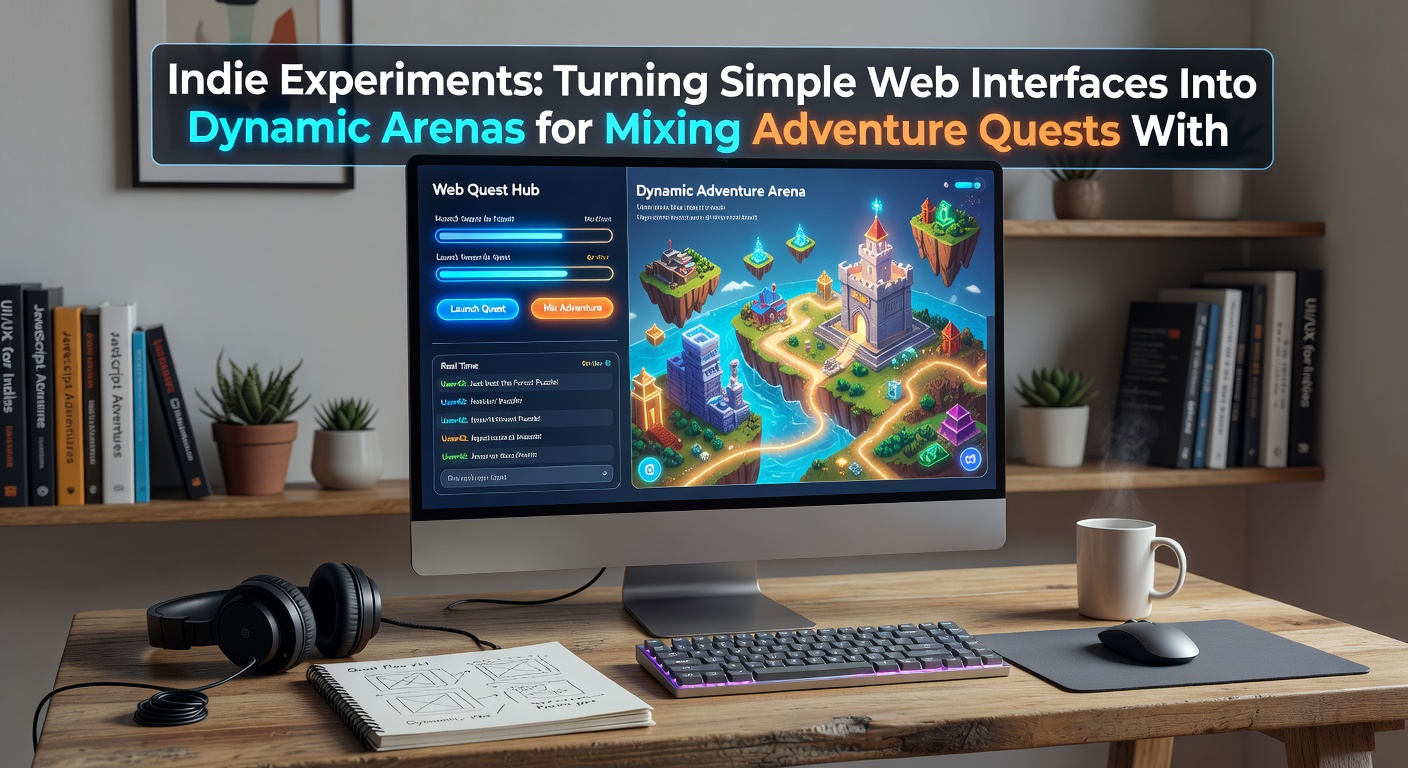
These builds frequently draw from open-source libraries maintained by global communities, and figures released by the International Game Developers Association show increased participation from studios outside traditional hubs as web deployment lowers distribution barriers compared with console or storefront requirements. Accessibility features such as keyboard remapping and high-contrast modes integrate at the DOM level, extending reach to users who rely on screen readers or alternative input devices during extended strategy sessions.
Technical and Design Considerations
Performance remains a central focus because simultaneous rendering of detailed quest journals, branching decision matrices, and particle effects for racing trails can strain lower-end hardware, yet developers mitigate this through progressive enhancement techniques that downgrade visual fidelity while preserving core logic. Security practices include sandboxed iframes for third-party asset loading and rate-limited API calls to prevent cheating during competitive races, and regulatory guidance from bodies such as the Australian Classification Board outlines clear labeling for experimental titles that blend multiple genres in shared online spaces.
Community feedback loops operate through in-browser reporting tools and external forums, where players submit replays of particularly tight strategy-racing transitions or narrative branches that felt under-supported, and these reports feed directly into public roadmaps that indie teams publish alongside their repositories. Educational applications have also surfaced, with some university courses using simplified versions of these interfaces to teach systems thinking through combined quest design and real-time competition mechanics.
Future Trajectories and Ongoing Development
Continued refinement of browser standards, including improved support for WebGPU and persistent storage APIs, positions these experiments to incorporate higher-fidelity simulations without sacrificing the lightweight entry that distinguishes them from dedicated clients. Cross-regional collaborations have accelerated, with teams in Europe and Asia sharing component libraries that standardize quest tracking and race synchronization protocols, reducing duplication of effort across projects.
Analytics platforms now track how long users remain engaged across quest, strategy, and racing phases, and early 2026 datasets suggest that hybrid structures sustain attention longer than single-genre counterparts when visual transitions feel seamless and reward systems remain transparent. Maintenance of these titles often involves community contributors who submit pull requests for new quest lines or track variants, keeping the underlying codebases active well after initial launches.
Conclusion
Indie experiments continue to demonstrate that ordinary web interfaces can host sophisticated blends of adventure quests, strategic decision-making, and racing competition when developers align modular code architecture with player expectations for fluid context switching, and ongoing advancements in web technologies plus distributed collaboration models support further expansion of these dynamic arenas throughout 2026 and beyond.