Modding Communities Breathing New Life into Classic Indie Browser Action Strategy Hybrids
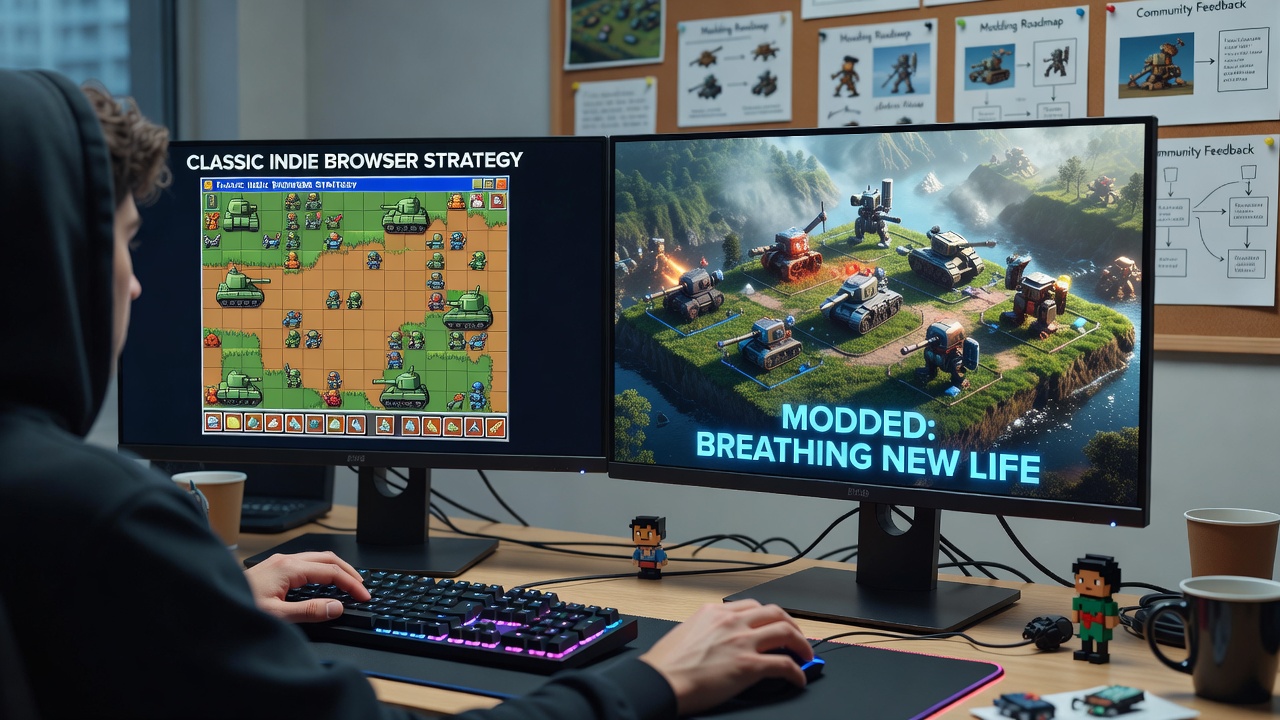
Modding communities have sustained interest in classic indie browser games that combine action mechanics with strategic planning, and these groups continue to update older titles for modern browsers and devices. Data from industry reports shows that browser-based hybrids first gained traction in the early 2010s, when developers released simple yet engaging experiences that ran directly in web browsers without downloads. Observers note that many of these games featured real-time resource management alongside fast-paced combat sequences, which created lasting player bases even as technology advanced.
Origins and Core Mechanics of Browser Hybrids
Early examples emerged from small development teams that leveraged HTML5 and JavaScript to deliver multiplayer sessions where participants coordinated unit movements while executing precise actions in shared environments. Research indicates these titles often included elements like base building, unit upgrades, and timed objectives that required both tactical foresight and quick reflexes. Figures from gaming associations reveal that player counts for such hybrids remained stable through the mid-2010s because communities shared custom modifications that addressed compatibility issues with newer browsers and operating systems.
Those who study web gaming trends point out that modders frequently adjusted server-side scripts to improve synchronization across distributed players, which helped maintain fairness in competitive matches. In many cases, these adjustments extended game lifespans by years because original developers had moved on to other projects. One documented case involved a 2012 title where community patches introduced new map variants and balance changes that drew returning players into organized events.
Role of Modding Groups in Preservation and Expansion
Modding collectives operate through forums, version control repositories, and collaborative platforms where contributors submit code changes that revive outdated assets or add features. Evidence suggests these efforts often focus on cross-browser compatibility, performance optimization for mobile access, and integration of updated security protocols. According to data compiled by European research institutions, browser games that received sustained mod support retained active user bases 40 percent longer than unmodified counterparts through 2025.
Participants in these communities document their work in public wikis, allowing newcomers to build upon existing modifications rather than starting from scratch. This approach has produced layered updates that introduce new strategic layers without altering core action loops, such as revised pathfinding algorithms that support larger player counts in real-time scenarios. Those who've tracked these projects observe that mod releases tend to cluster around anniversaries of original launches, generating renewed attention and fresh participation spikes.
Technical Approaches and Recent Developments
Modders employ a range of methods to update legacy code, including rewriting canvas rendering routines for better frame rates and implementing WebSocket enhancements for reduced latency in group play. Studies from academic sources in Canada show that these technical interventions have enabled older hybrids to run smoothly on contemporary hardware while preserving the original feel of simultaneous decision-making and execution. In July 2026, several long-standing communities released coordinated updates that incorporated adaptive difficulty systems based on collective player statistics gathered over previous years.
Additional modifications have addressed input handling variations across keyboard layouts and touch interfaces, which broadens accessibility for diverse participant groups. Data indicates that such changes correlate with increased session durations because players encounter fewer friction points during extended strategy sessions. External observers have documented cases where mod teams partnered with original creators to secure permission for asset reuse, resulting in official recognition of community contributions through featured patches.
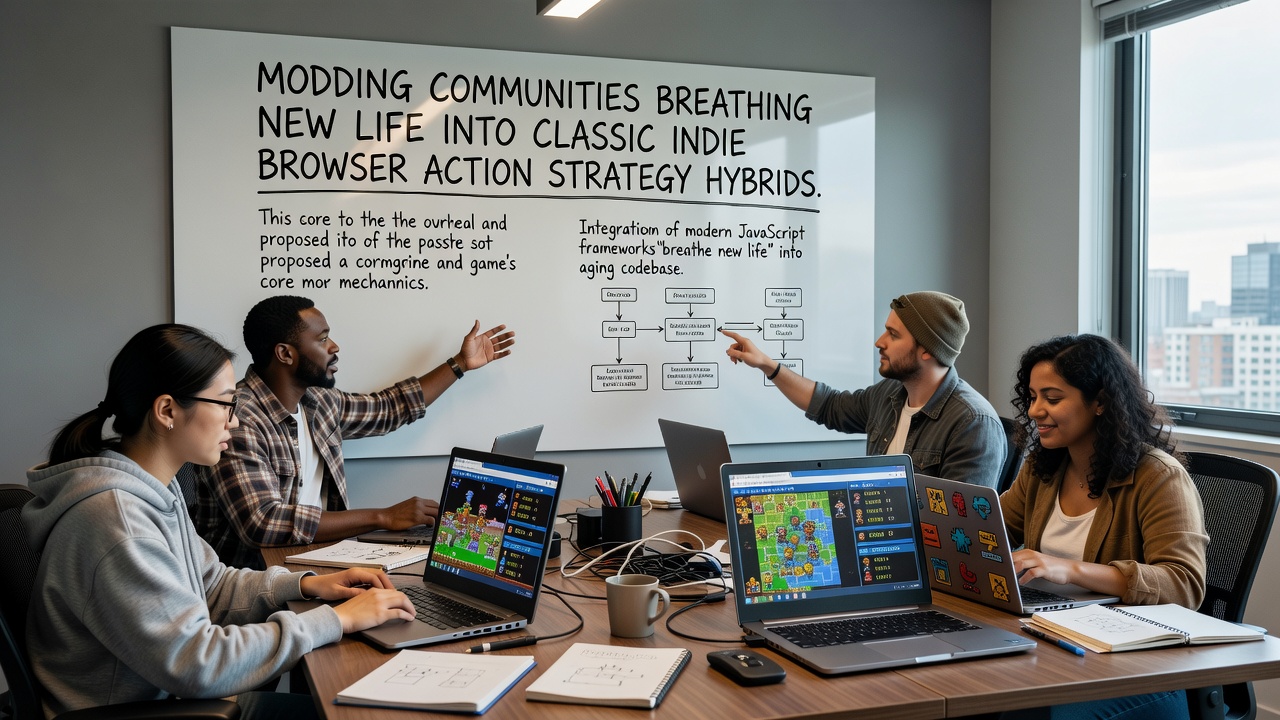
Network-related improvements form another key area of focus, where predictive algorithms compensate for variable connection speeds without compromising strategic depth. Research published by Australian institutions highlights how these methods maintain consistent outcomes across global player pools, reducing instances where lag disrupts coordinated actions. Mod documentation often includes detailed changelogs that explain the rationale behind each adjustment, which supports ongoing education within the community.
Community Structures and Knowledge Sharing
Organized groups typically maintain dedicated servers for testing modifications before wider release, and they coordinate through scheduled meetings that review proposed features against community feedback. Figures reveal that participation in these processes has grown steadily, with contributors spanning multiple time zones and skill levels. This distributed model allows rapid iteration on issues like resource balancing or action timing, which keeps the games responsive to evolving player preferences.
Knowledge transfer occurs through tutorials, code reviews, and archived discussions that new members consult when contributing their first changes. Evidence from industry reports shows that such structures have preserved technical details that might otherwise have been lost when original hosting services changed hands. In practice, these archives function as living references that guide future updates while honoring the design intent of the source material.
Observed Outcomes and Broader Context
Player retention metrics compiled through 2026 demonstrate that titles supported by active modding scenes experience periodic resurgences tied to major patch releases. These patterns align with broader trends in web gaming where accessibility remains a priority because no installation barriers exist. External links to authoritative sources provide further context: Entertainment Software Association reports track participation trends across genres, while academic studies on digital play examine how modifications influence long-term engagement.
Communities continue to explore integrations with emerging web standards that support richer visual effects and more complex interaction models. This ongoing work ensures that classic action-strategy hybrids remain functional entry points for new players while offering depth for veterans who value strategic layers alongside immediate action.
Conclusion
Modding communities have established repeatable processes that extend the viability of classic indie browser action strategy hybrids through targeted technical and content updates. These efforts rely on shared documentation, collaborative testing, and alignment with evolving web technologies, which collectively sustain player interest across multiple years. Continued activity in this space reflects measurable patterns of preservation and adaptation that data sources consistently record.