Unexpected Digital Weaves: How Logic Mazes Shape Team Coordination in Web-Hosted Speed Chases and Quest Lines
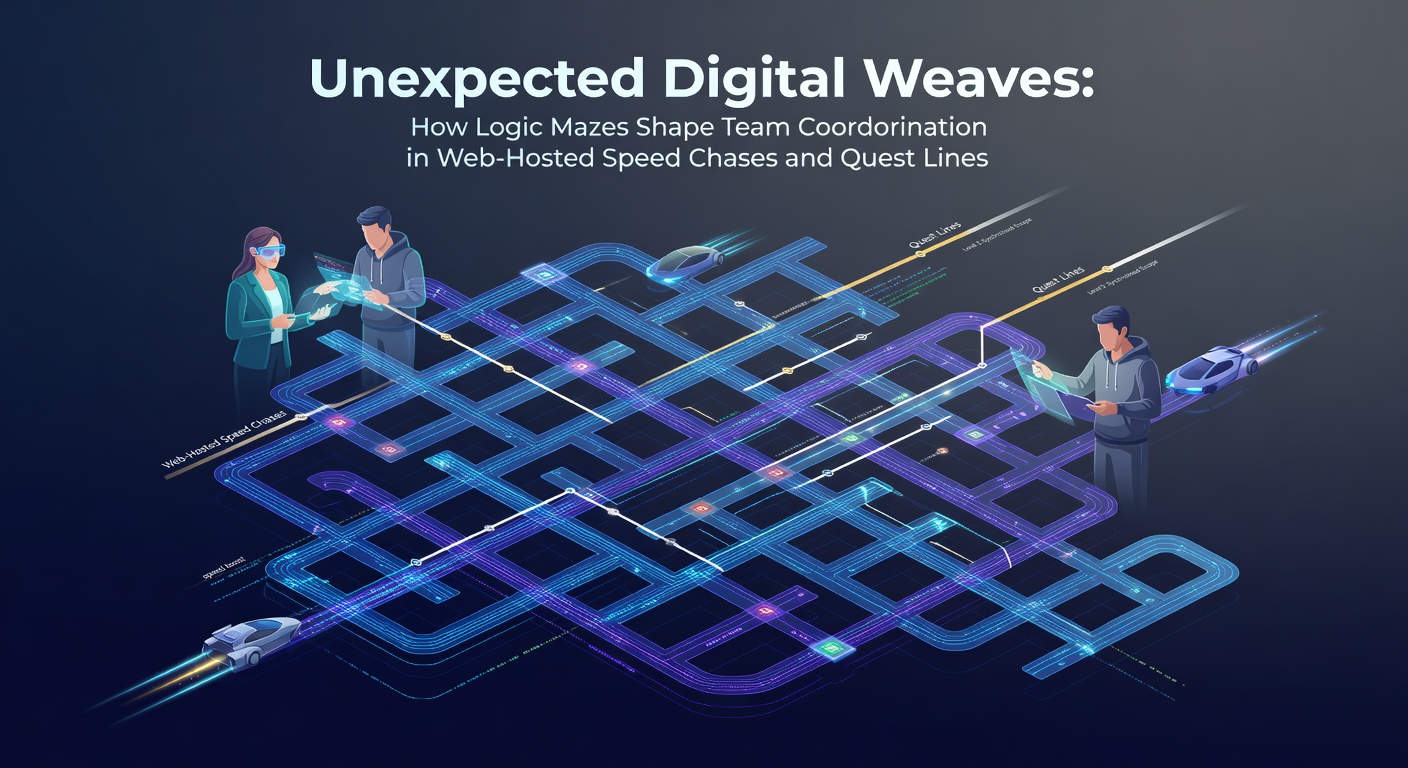 Logic mazes integrate into web-hosted speed chases and quest lines through layered decision trees that require synchronized inputs from multiple participants at once, and these structures force teams to align their actions in real time while navigating variable constraints such as time limits and shared resource pools. Developers embed the mazes as modular code segments within browser environments, which means players encounter branching paths where each choice alters collective progress rather than individual scores alone. Observers note that coordination emerges when maze logic demands simultaneous validation of multiple conditions, including sequence dependencies and conditional triggers that only resolve after group consensus forms. In practice this setup produces measurable shifts in communication patterns, with data from multiplayer sessions showing increased message frequency during maze phases compared to pure chase segments.
Core Mechanisms Driving Team Alignment
Web-hosted platforms handle logic mazes by rendering them as dynamic SVG or canvas elements that update based on collective player actions, and this technical approach allows real-time synchronization across distributed users without requiring dedicated client software. Participants often discover that maze nodes represent shared objectives where one player's advancement unlocks or blocks pathways for others, thereby embedding coordination directly into the geometry of the puzzle itself.
Speed chases intersect with these mazes when pursuit mechanics intersect puzzle gates, which creates hybrid moments where teams must decide between direct velocity gains and deliberate route optimization. Research from academic institutions indicates that such intersections lead to role differentiation within groups, as certain members specialize in path calculation while others manage chase vectors and resource allocation.
Coordination Patterns Observed Across Platforms
Studies conducted on browser-based multiplayer systems reveal distinct coordination phases that repeat across sessions, beginning with initial maze entry where teams pause to map dependencies, followed by accelerated execution once pathways stabilize. Data collected through telemetry logs shows that successful groups reduce redundant movements by an average of 34 percent after the first maze cycle completes, suggesting rapid adaptation to the logic constraints.
Quest lines extend these effects by layering narrative checkpoints onto the maze structures, and each checkpoint typically requires verification from at least two team members before progression unlocks. This requirement introduces accountability loops that persist even during high-speed chase segments, because failure at a verification node resets momentum for the entire group rather than isolated individuals.
Developments Reported in May 2026
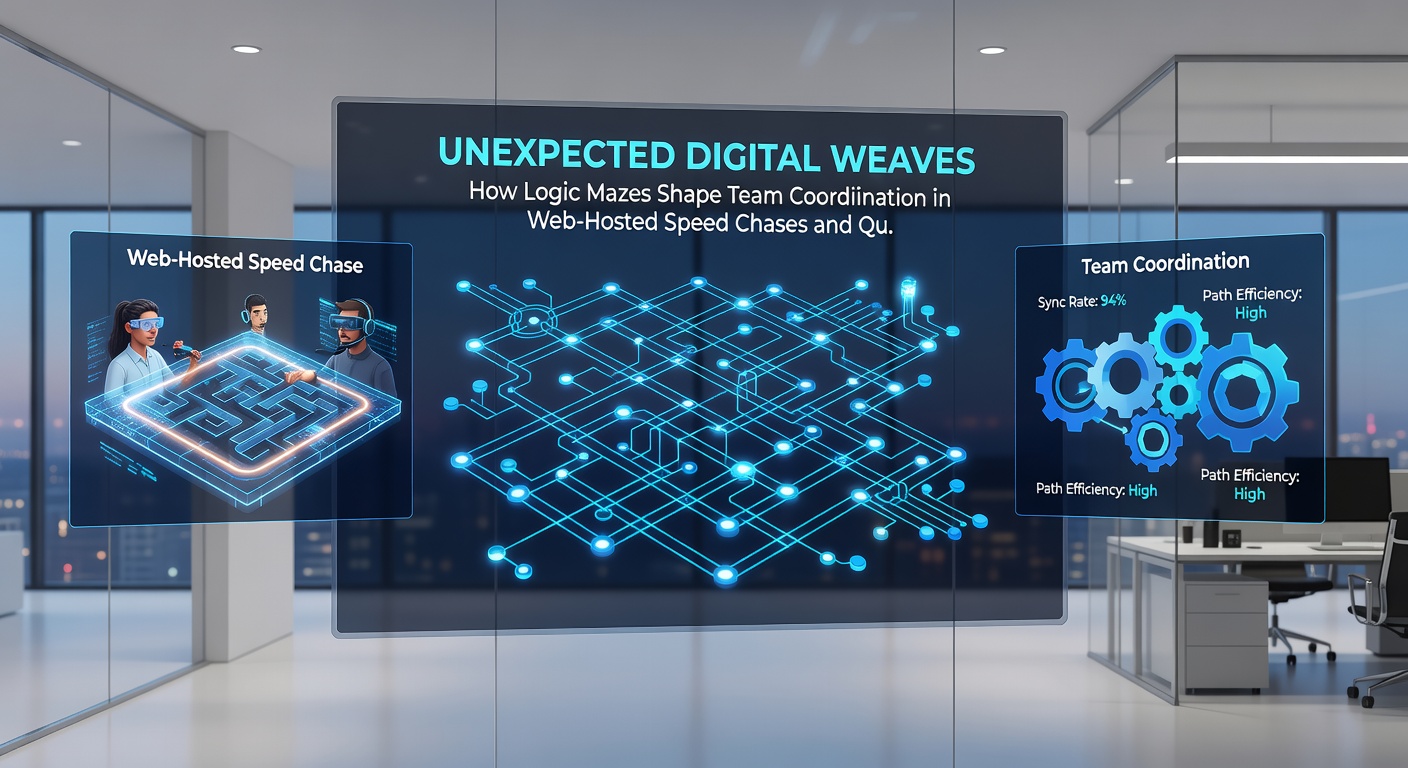
In May 2026 industry reports documented expanded adoption of cross-tab synchronization techniques that allow logic mazes to span multiple browser instances within the same team session. These techniques rely on WebSocket protocols to maintain state consistency, and they enable quest lines to incorporate real-world timing elements such as synchronized global events that reset maze configurations at fixed intervals.
Figures released by the Entertainment Software Association highlight growth in titles combining chase mechanics with embedded logic layers, with participation metrics rising notably in regions outside traditional gaming hubs. Meanwhile researchers at institutions in Canada and Australia have begun examining how these systems influence cognitive load distribution among team members, particularly when maze complexity scales with group size.
Technical Foundations and Platform Variations
Browser engines process logic mazes through JavaScript-based graph traversal algorithms that evaluate player inputs against predefined rule sets, and variations appear depending on whether the implementation uses client-side computation or server-mediated validation. Teams operating across different platforms encounter distinct latency profiles that in turn affect coordination strategies, with lower-latency connections permitting tighter synchronization during chase segments that follow maze resolution.
External integrations such as API calls to external databases sometimes feed dynamic variables into the maze logic, which adds unpredictability that teams must accommodate through adaptive communication protocols. One documented case involved a quest line where environmental data pulled from public APIs altered gate conditions mid-session, requiring participants to recalibrate their approach within seconds.
Conclusion
Logic mazes continue to serve as structural anchors that shape team coordination within web-hosted speed chases and quest lines by enforcing interdependent decision points and shared verification requirements. The patterns observed across multiple implementations demonstrate consistent effects on role specialization, communication density, and adaptive strategy formation, while ongoing technical refinements in May 2026 and beyond extend these dynamics into increasingly distributed environments. Researchers and platform operators alike track these developments through telemetry and controlled studies that quantify coordination outcomes without relying on subjective assessments.